Rabies Risk in Travellers
Rabies Risk in Travellers: Improving Awareness, Prevention and Clinical Safety
Rabies remains one of the most serious infections in travel medicine, yet many travellers still underestimate the danger. Although rabies is almost always fatal once symptoms appear, many people assume the disease is rare or irrelevant. As your document states, “rabies is almost universally fatal once neurological symptoms manifest.” This misconception creates significant risk for UK travellers heading to endemic regions.
Understanding Rabies: A Preventable but Deadly Infection
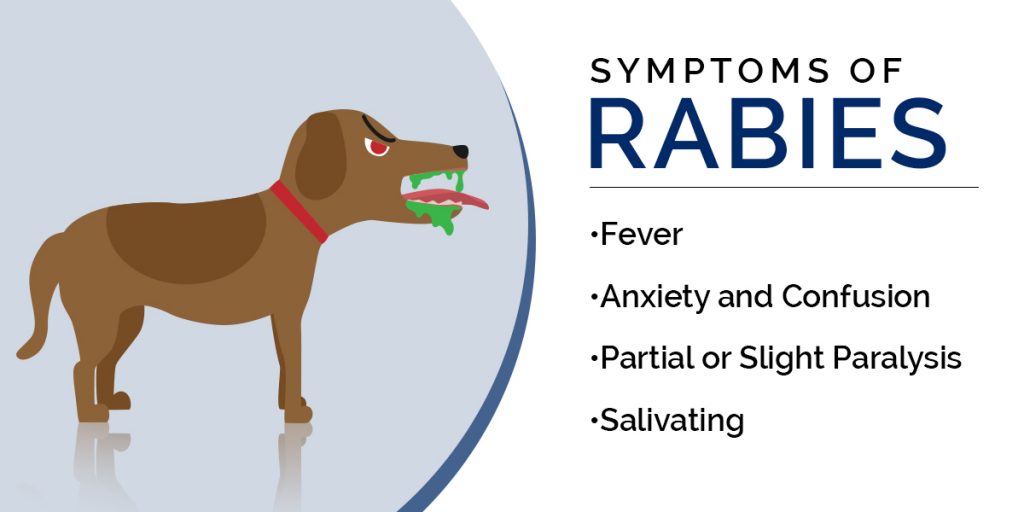
Rabies is a viral infection that attacks the brain and nerves. It spreads through bites, scratches or saliva exposure from infected animals such as dogs, cats, monkeys and bats. Symptoms begin with fever and confusion and progress to hydrophobia, paralysis and death. “Following onset of symptoms, there is no curative treatment.” Therefore, prevention through vaccination and bite avoidance is essential.
Although rabies is absent in UK domestic animals, bat lyssaviruses still exist. This contributes to false reassurance among travellers. However, once abroad, the risk becomes immediate, especially in Asia, Africa and parts of the Middle East.
Why Travellers Underestimate Rabies Risk
Several behavioural and psychological factors reduce vaccine uptake:
- Low perceived risk: Rabies is not seen in daily UK life, so travellers assume it is not a threat.
- Cost barriers: Pre‑exposure vaccination is private, which discourages many.
- Misjudged safety: Tourists often believe cities and resorts are safe, ignoring stray animals.
- Optimism bias: Many think “it won’t happen to me,” even though minor scratches can transmit the virus.
This complacency is dangerous. The 2025 case of a UK traveller who died after a puppy scratch in Morocco shows how a “minor wound” can be fatal.
Rabies Risk Is Not Rare
According to UKHSA, around 2,000 people in the UK require post‑exposure treatment each year. “About 12% involve possible contact with bats within the UK, while the remaining 88% are linked to animal exposures abroad.” These figures highlight why rabies vaccination should be prioritised in travel consultations.
Rabies Vaccination: IM, ID and SC Options
UK guidance recommends pre‑exposure vaccination for travellers at risk. The standard schedule is three intramuscular doses over 21–28 days. Intradermal vaccination is used internationally but is not yet reflected in the Green Book. Subcutaneous injection is reserved for patients with bleeding disorders.
Post‑Exposure Treatment
Treatment depends on vaccination status, exposure category and immune function. Unvaccinated travellers require four doses plus immunoglobulin for severe exposures. Vaccinated travellers need only two boosters. Immunocompromised travellers often require immunoglobulin and a five‑dose schedule.
Helping Travellers Understand What To Do After an Exposure
Travel nurses should give clear, step‑by‑step advice:
- Flush the wound for 15 minutes.
- Wash with soap.
- Apply disinfectant.
- Cover the wound.
- Seek urgent medical care abroad.
Directing travellers to ISTM and FCDO resources improves preparedness.
Why Rabies Vaccination Must Be a Priority
Global travel is increasing, and exposure risks are rising. Adventure tourism, volunteering and rural travel heighten the chance of animal contact. Children are especially vulnerable. Rabies vaccination should be seen as essential, not optional.
Conclusion
Rabies is preventable, but only if travellers receive accurate advice, timely vaccination and clear guidance on what to do after an exposure. By integrating rabies risk into consultations and challenging misconceptions, travel health professionals can save lives and reduce global rabies burden.
For further information about our travel Health Courses, including rabies check out our course page