
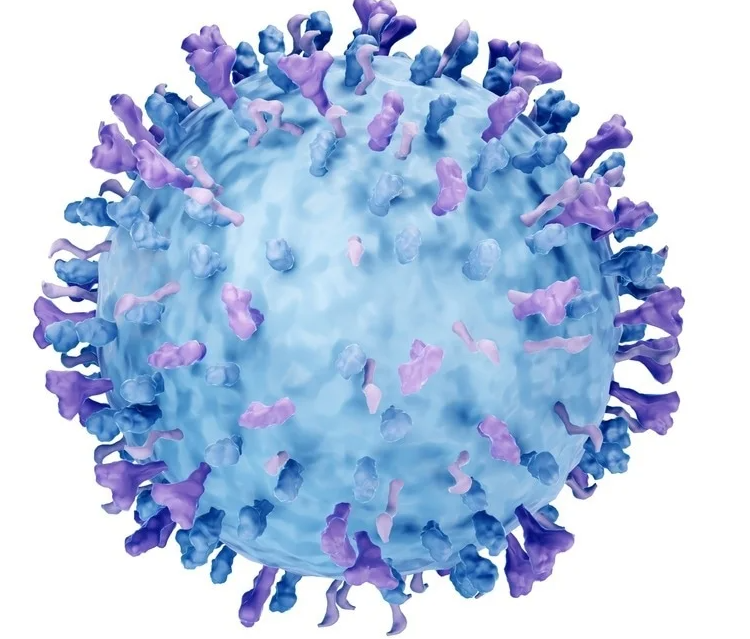
RSV Vaccines in the UK
RSV Vaccines in the UK: A New Era in Preventive Healthcare
Respiratory Syncytial Virus (RSV) is a common respiratory virus. It affects young children, older adults and people with weakened immune systems. “While most people recover from RSV with mild symptoms, the virus can lead to severe complications such as bronchiolitis and pneumonia.” Severe illness is more likely in infants and older adults.
RSV spreads easily through droplets or contaminated surfaces. Most people experience cold‑like symptoms. However, infants and adults over 65 can become seriously unwell. “Each year in the UK, RSV leads to thousands of hospitalisations.” This includes more than 30,000 admissions in children under five.
Why RSV Vaccination Matters
For decades, RSV treatment was supportive only. Vaccines now offer protection for vulnerable groups. They reduce severe illness and ease pressure on the NHS.
Vaccines help:
- Protect infants, especially babies under six months
- Reduce winter hospital admissions
- Prevent outbreaks in nurseries, care homes and community settings
RSV Vaccines in the UK
Nirsevimab (Beyfortus) for Infants
Nirsevimab is a long‑acting monoclonal antibody. It gives infants immediate protection. “A single dose is administered before the RSV season begins.” It reduces RSV‑related hospitalisation by more than 70%.
RSV Vaccine for Older Adults
Adults aged 60 and over can receive an RSV vaccine. It works like the flu vaccine. Clinical trials show up to an 80% reduction in severe RSV illness.
Who Is Eligible?
- Infants, especially premature babies or those with heart or lung disease
- Pregnant women
- Adults aged 60+ with chronic conditions
Can HCAs Administer RSV Vaccines?
Vaccines are Prescription‑Only Medicines. HCAs cannot usually administer them independently. “In most cases, HCAs are not permitted to administer vaccines on their own.” They may administer vaccines only under supervision, with training and clear delegation.
The RCN supports HCAs giving COVID‑19, influenza, pneumococcal and shingles vaccines. RSV is not included.
Conclusion
RSV vaccines are a major step forward. They protect infants and older adults and reduce winter pressures. HCAs may support RSV vaccination only under strict supervision and competency frameworks.