The Latest Update on the Ebola Outbreak
Understanding Recent Developments and Global Responses
The Ebola virus remains a major public health challenge, with recent updates showing both progress and ongoing concerns across affected regions. As of May 2026, health authorities have reported a modest rise in confirmed cases in parts of Central and West Africa. Most new infections are linked to rural communities, helping limit wider transmission into urban areas.
Global health agencies, including the World Health Organization (WHO), local healthcare teams and international NGOs, have intensified outbreak‑control measures. Targeted vaccination campaigns in high‑risk zones, improved vaccine distribution and stronger community engagement have contributed to reduced transmission rates compared with previous outbreaks.
However, several barriers continue to impact containment. Misinformation, vaccine hesitancy and distrust of medical interventions persist in some communities. Fragile healthcare systems also face pressure from ongoing surveillance, treatment and prevention activities.
There are positive developments. Researchers are trialling improved therapeutics and rapid diagnostic tools that may strengthen future outbreak responses. International support remains strong, with increased funding directed toward immediate outbreak control and long‑term recovery.
Infection Control Precautions
Effective infection‑control measures are essential to prevent Ebola transmission in healthcare settings and the wider community. Key precautions include:
- Rigorous hand hygiene
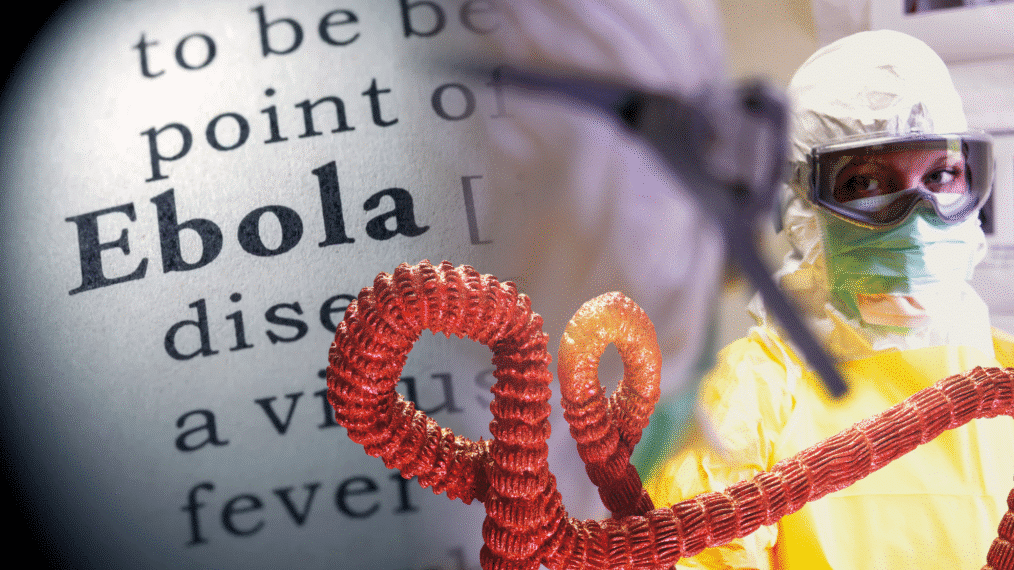
- Use of appropriate PPE (gloves, masks, gowns)
- Strict protocols for handling bodily fluids
- Isolation of suspected and confirmed cases
- Safe burial practices
- Thorough disinfection of surfaces and medical equipment
Training healthcare workers and educating communities on these measures is vital for ensuring compliance and protecting public health.
Global Preparedness and Collaboration
Continued global vigilance is crucial. Lessons learned from current and previous outbreaks must inform future preparedness strategies. Strong collaboration between governments, health agencies and local communities remains essential to control the outbreak and prevent further loss of life.
Visit our course calendar for upcoming Travel Health courses