
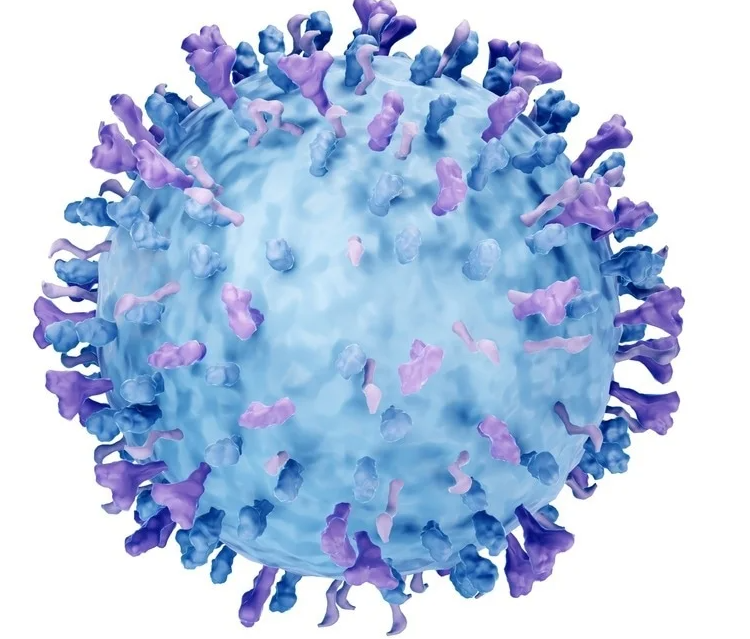
RSV Vaccines in the UK: A New Era in Preventive Healthcare
Respiratory Syncytial Virus (RSV) is a common virus that causes respiratory infections, particularly in young children, the elderly, and individuals with weakened immune systems. While most people recover from RSV with mild symptoms, the virus can lead to severe complications such as bronchiolitis and pneumonia, particularly in infants and the elderly. With RSV hospitalising tens of thousands each year in the UK, the development and availability of RSV vaccines mark a significant advancement in public health efforts to protect vulnerable populations.
What is RSV and Why is it Dangerous?
RSV is a highly contagious virus that spreads easily through coughing, sneezing, or contact with contaminated surfaces. For most people, RSV causes cold-like symptoms, but for infants, older adults, and those with underlying conditions, the infection can become severe and even life-threatening.
Among infants, RSV is the leading cause of bronchiolitis and pneumonia, conditions that often require hospitalisation. In older adults, particularly those over 65, RSV is associated with a high risk of severe respiratory complications, and the virus contributes significantly to winter hospital admissions alongside influenza and COVID-19. Each year in the UK, RSV leads to thousands of hospitalisations, with estimates suggesting over 30,000 hospital admissions for children under 5 and many more for older adults.
Importance of RSV Vaccination
For decades, there were no vaccines or specific antiviral treatments to prevent or treat RSV infections, which meant that care was largely supportive. However, the recent development of vaccines against RSV has the potential to change that, reducing both the burden of the disease on the healthcare system and the suffering caused by severe infections.
Why Vaccines are Crucial for RSV Prevention
- Protecting Infants: Babies under 6 months are particularly vulnerable to RSV, often requiring hospitalisation. Vaccines can help prevent severe disease in this group, providing direct protection or through maternal vaccination during pregnancy, offering newborns passive immunity.
- Reducing Hospital Burden: Vaccinating high-risk groups such as infants, pregnant women, and the elderly can significantly reduce hospitalisations during RSV season, easing the pressure on the NHS.
- Preventing Outbreaks: Vaccination programs can help control the spread of RSV in community settings, particularly in nurseries, care homes, and other places where people gather in close proximity.
RSV Vaccines in the UK: What You Need to Know
In 2023, the UK made strides in RSV prevention by approving two RSV vaccines, targeting different high-risk populations.
Nirsevimab (Beyfortus) for Infants:
Nirsevimab is a long-acting monoclonal antibody designed to protect infants during their first RSV season. Unlike traditional vaccines, which stimulate the body to produce antibodies, Nirsevimab delivers these antibodies directly, providing immediate protection.
- Who Can Get It? Nirsevimab is offered to newborns, particularly premature infants and those with underlying health conditions, through the NHS as part of routine immunisation programs.
- How It Works: A single dose is administered before the RSV season begins, providing protection for several months. It works similarly to a vaccine by boosting the infant’s immune system to fight RSV.
- Benefits: Nirsevimab has been shown to reduce RSV-related hospitalisations by over 70%, offering a powerful new tool to protect the youngest and most vulnerable patients.
RSV Vaccine for Older Adults:
The UK also approved an RSV vaccine for older adults in 2023, following successful clinical trials showing its effectiveness in preventing severe RSV disease in people aged 60 and over.
- Who Can Get It? The vaccine is recommended for adults aged 60 and above, particularly those with chronic health conditions such as heart or lung disease.
- How It Works: Similar to flu vaccines, the RSV vaccine stimulates the immune system to produce antibodies that protect against the virus. It is typically given as a single dose before the RSV season.
- Benefits: In clinical trials, this vaccine reduced the risk of severe RSV-related illness by up to 80%, making it a significant development in protecting the elderly, who are at high risk of complications.
Who is Eligible for the RSV Vaccine?
The UK government has introduced RSV vaccination into its national immunisation strategy, focusing on the most vulnerable groups. As of 2024, the key groups eligible for RSV vaccination include:
- Infants: Particularly those born prematurely, with heart or lung conditions, or those under six months old.
- Pregnant Women: Vaccinating pregnant women provides their newborns with antibodies to protect them during their first few months of life, when they are most vulnerable to severe RSV infection.
- Adults Aged 60 and Over: Particularly those with chronic health conditions like asthma, COPD, heart disease, or diabetes, as well as residents of care homes.
How Does RSV Vaccination Fit into the UK’s Immunisation Program?
The addition of RSV vaccines into the UK’s immunisation schedule reflects growing recognition of the virus’s impact on public health. It also aligns with the broader goal of reducing winter hospital admissions from preventable respiratory diseases, which already includes annual flu and COVID-19 vaccinations.
Winter Immunisation Strategy:
RSV vaccines are expected to play a crucial role alongside flu and COVID-19 vaccines in protecting vulnerable populations during the winter months when respiratory infections peak. Combined, these vaccines help reduce the strain on the NHS during what is typically the busiest time of year for hospitals and healthcare providers.
Challenges and Future Outlook
While the availability of RSV vaccines is a major achievement, there are still challenges in ensuring widespread uptake and equitable access. Public awareness of RSV remains relatively low compared to influensa or COVID-19, meaning that educational campaigns will be essential to encourage vaccination.
Additionally, logistical challenges around vaccine delivery, particularly to infants and pregnant women, will need to be addressed to ensure that these life-saving vaccines reach those most at risk. The success of RSV vaccination in the UK will depend not only on the availability of vaccines but also on the infrastructure to deliver them efficiently across different healthcare settings.
Conclusion: A Game Changer for Public Health
The introduction of RSV vaccines in the UK represents a breakthrough in the fight against one of the most common and potentially dangerous respiratory viruses. By targeting both infants and older adults, the RSV vaccination program has the potential to prevent thousands of hospitalisations and save lives each year.
As the vaccines become more widely available and awareness grows, the UK is likely to see a significant reduction in the burden of RSV, both in terms of healthcare costs and the personal toll on affected individuals and families. With RSV vaccines now part of the UK’s preventive healthcare strategy, we are entering a new era where the most vulnerable populations can be protected from a virus that has long caused so much suffering.
Can Healthcare Assistants (HCAs) Administer RSV?
With the increasing focus on preventive healthcare, particularly for vulnerable populations such as infants and the elderly, the administration of vaccines has become a cornerstone of public health efforts. One recent concern is Respiratory Syncytial Virus (RSV), a common cause of respiratory illness, which can be particularly severe in young children, older adults, and those with underlying health conditions. In response to this, RSV vaccines have been developed to protect these high-risk groups.
But as the demand for vaccines grows, so does the need for trained healthcare professionals to administer them. This brings up an important question: **Can Healthcare Assistants (HCAs) administer RSV vaccines in the UK?**
What Are Healthcare Assistants (HCAs)?
Healthcare Assistants (HCAs) play a vital role within the NHS and other healthcare settings, working under the supervision of nurses, midwives, or other healthcare professionals. They perform a variety of tasks, from personal care to clinical assistance, such as taking blood samples, checking vital signs, and assisting with wound care. However, their duties are generally defined by the scope of their training and the specific policies of their employers.
Current Regulations on Vaccine Administration in the UK
In the UK, the administration of vaccines is tightly regulated. Vaccines, including the newly available RSV vaccine, are classified as Prescription-Only Medicines (POMs). This means they must be prescribed or authorised by a medical professional such as a doctor, pharmacist, or nurse.
Who Can Administer Vaccines?
- Doctors, nurses, and pharmacists are legally allowed to prescribe and administer vaccines.
- Nursing associates and some other healthcare workers may also be permitted to give vaccines if they have completed the appropriate training and are working under the supervision of a registered healthcare professional.
Can HCAs Administer Vaccines?
In most cases, HCAs are not permitted to administer vaccines on their own. The reasoning for this primarily revolves around the fact that vaccine administration requires not only technical skill but also the ability to identify and manage potential side effects, such as allergic reactions. Since HCAs do not hold a professional registration like nurses or pharmacists, they are generally not considered qualified to independently deliver vaccines. However, there are exceptions and special cases.
When HCAs May Be Able to Administer Vaccines
Under Supervision:
In some circumstances, HCAs who have undergone specific training may be allowed to administer vaccines, including the RSV vaccine, as long as they are working under the direct supervision of a registered nurse or another qualified healthcare professional. In this scenario, the responsibility for the safe administration of the vaccine lies with the supervising healthcare provider, not the HCA.
Delegated Tasks:
Delegation is a key aspect of modern healthcare. According to the Nursing and Midwifery Council (NMC), registered nurses can delegate certain tasks to HCAs, provided those tasks are within the HCA’s scope of competence and appropriate supervision is in place. In such cases, HCAs can administer vaccines if:
- They have completed the necessary training for the specific vaccine.
- The registered nurse is confident in the HCA’s ability to perform the task safely.
- The HCA is operating under a clear framework of accountability, with the understanding that the supervising professional remains responsible for the outcome.
Specific Employer Policies:
Different healthcare settings may have their own policies governing what tasks HCAs can perform. In some GP surgeries or vaccination hubs, HCAs might be allowed to administer vaccines as part of a structured program, provided they meet all training and competency requirements. However, this would still involve supervision from a qualified professional.
The Importance of Training and Competency
For HCAs to administer vaccines safely, comprehensive training is essential. This includes understanding:
- Vaccine storage and handling.
- The proper administration technique for different types of vaccines (e.g., intramuscular or subcutaneous injections).
- The ability to recognise and respond to adverse reactions such as anaphylaxis.
- Patient consent procedures and record-keeping.
Without proper training and supervision, the risk of errors or complications rises, which is why vaccine administration remains a responsibility primarily of registered healthcare professionals.
The RCN have produced guidance that specifies which vaccines HCA’s are supported to administer. Namely COVID 19, Influensa, Pneumococcal and Shingles vaccines. The RCN guidance does not mention RSV, is NOT one of the vaccines that the RCN specifically supports HCA’s to administer.
Conclusion: Can HCAs Administer RSV Vaccines?
In the UK, HCAs are generally not permitted to independently administer RSV vaccines, as vaccine administration is a complex task requiring extensive clinical knowledge and professional accountability. However, there are exceptions where HCAs may be involved in vaccine delivery under supervision, provided they have undergone appropriate training and are working within a structured and supervised framework.
As RSV vaccines become more widely available, especially for vulnerable groups, healthcare teams may need to adapt and upskill their workforce. However, patient safety and adherence to regulatory guidelines will always remain the top priority, meaning that in most cases, registered nurses or other qualified healthcare professionals will continue to administer these life-saving vaccines.
Ultimately, for HCAs to take on a greater role in vaccine administration, their training and supervision will need to be robust, ensuring that the right balance between expanding access to care and maintaining high safety standards is maintained.